Rapid Prototyping
Functional prototypes in 3 days — machined, printed or vacuum cast
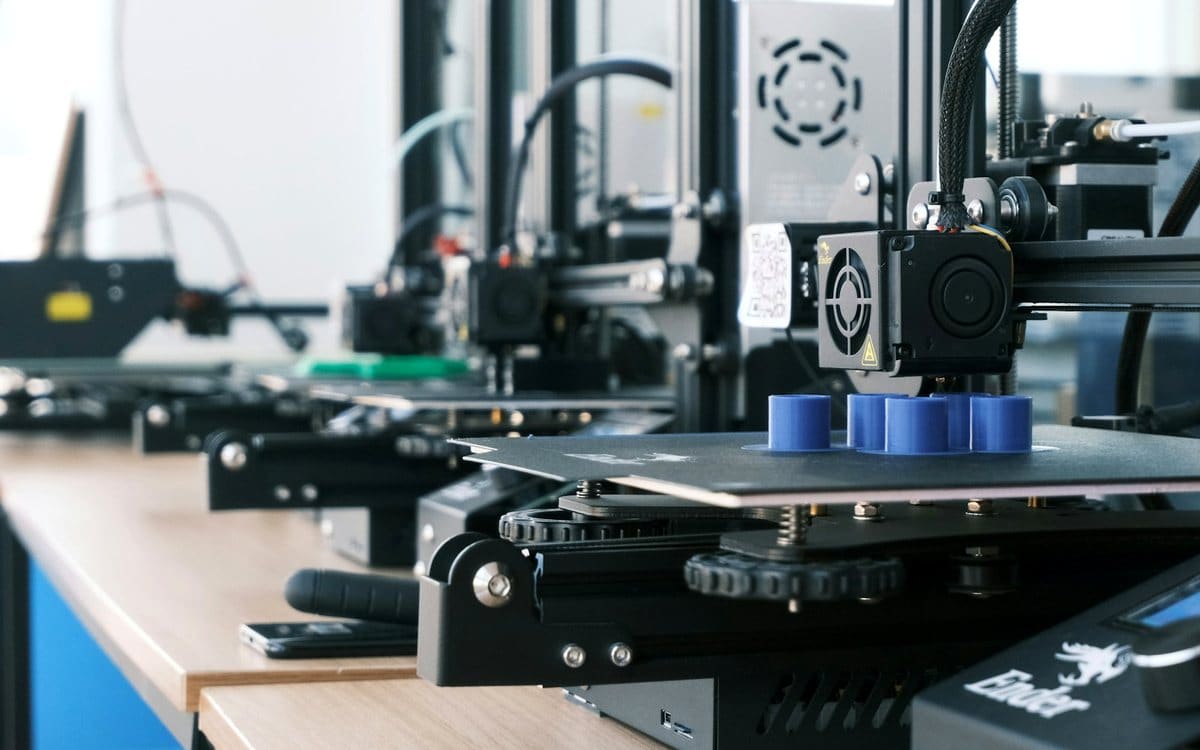
Design iterations should not wait two weeks. We machine functional prototypes from production material in as little as three working days, and offer SLA, SLS, MJF and vacuum casting where geometry or budget points that way.
Real material, real answers
Dedicated prototype scheduling
One supplier to production
Why it works
Real material, real answers
A machined prototype in 6061-T6 or 316L behaves like the production part under load, heat and torque — a printed model cannot tell you that.
Dedicated prototype scheduling
A separate cell and separate queue mean a single urgent part is not stuck behind a production release — three days means three days.
One supplier to production
Prototype and production share the same quality system, so scaling up needs no new audit, no new PPAP and no re-qualification.
Process specification
| Machined prototype lead time | 3 working days |
|---|---|
| SLA layer thickness | 0.05 – 0.1 mm |
| SLS / MJF accuracy | ±0.3 % (min ±0.3 mm) |
| Max print size | 600 × 600 × 400 mm |
| Vacuum casting run | 15 – 30 parts per mould |
| Machined tolerance | ±0.01 mm |
Tighter tolerances than those listed are achievable on review — please mark critical dimensions on your drawing.
Machined prototypes in production material
The prototype that matters is the one made from the material you will actually ship. A 3D-printed part tells you about form and fit; a machined 6061-T6 or 316L part tells you about strength, thermal behaviour, thread durability and sealing.
We run a dedicated prototype cell with its own scheduling, so a one-off job does not sit behind a 5,000-piece production release. Three working days is the standard promise for a single machined part in stock material.
Additive options
- SLA — resin parts with 0.05 mm layers for visual models, form checks and casting patterns
- SLS / MJF — nylon PA12 and glass-filled nylon for functional, snap-fit and living-hinge parts
- FDM — ABS, PC and ASA for large, low-cost geometry checks
- Metal DMLS — 316L, AlSi10Mg and Ti6Al4V where the geometry cannot be machined at all
Vacuum casting for small series
Between prototype and tooling sits vacuum casting: a silicone mould taken from a master pattern produces 15 to 30 polyurethane parts that mimic ABS, PP, rubber or transparent acrylic. Typical turnaround is 7 to 10 days — a practical way to supply a pilot build or trade-show units without cutting steel.
From prototype to production, without changing supplier
Because the same engineer, quality system and machines carry through to production, the transition does not require a new supplier audit or a fresh first-article approval cycle. The process notes written during prototyping become the production routing.
Industries
Frequently asked
How quickly will I receive a quotation?
Most quotations are returned within 24 working hours. Simple turned or milled parts are often priced the same day; assemblies, multi-process jobs and requests requiring a material enquiry may take up to two working days. If a quotation will take longer, we tell you when to expect it rather than leaving you waiting.
What files do you need to quote?
A 3D model in STEP, Parasolid (X_T) or IGES is enough to start. Where the part carries tolerances tighter than ISO 2768-m, GD&T, surface finish callouts or thread specifications, please add a dimensioned 2D drawing as PDF or DWG. Telling us the quantity, material and required finish avoids a round of questions and usually gets the price back the same day.
Is there a minimum order quantity?
No. We machine single prototypes as readily as 20,000-piece releases. There is a minimum order value on very small jobs to cover setup and programming, which we state clearly in the quotation — there are no charges that appear later.
What actually drives the price of a machined part?
Four things, roughly in order: the number of setups, cycle time, material cost and the tightest tolerance on the drawing. A tolerance of ±0.01 mm where ±0.1 mm would function can add 30 % to the price, and a feature that forces a fourth setup can add more. Our quotations flag these drivers so you can decide whether the requirement is worth the cost.
Need this process for your part?
Send your drawing and we will confirm feasibility, cost and lead time.
- Reviewed by a manufacturing engineer
- NDA available before file exchange