Copper Busbar Set — Machined, Plated and Flatness Controlled
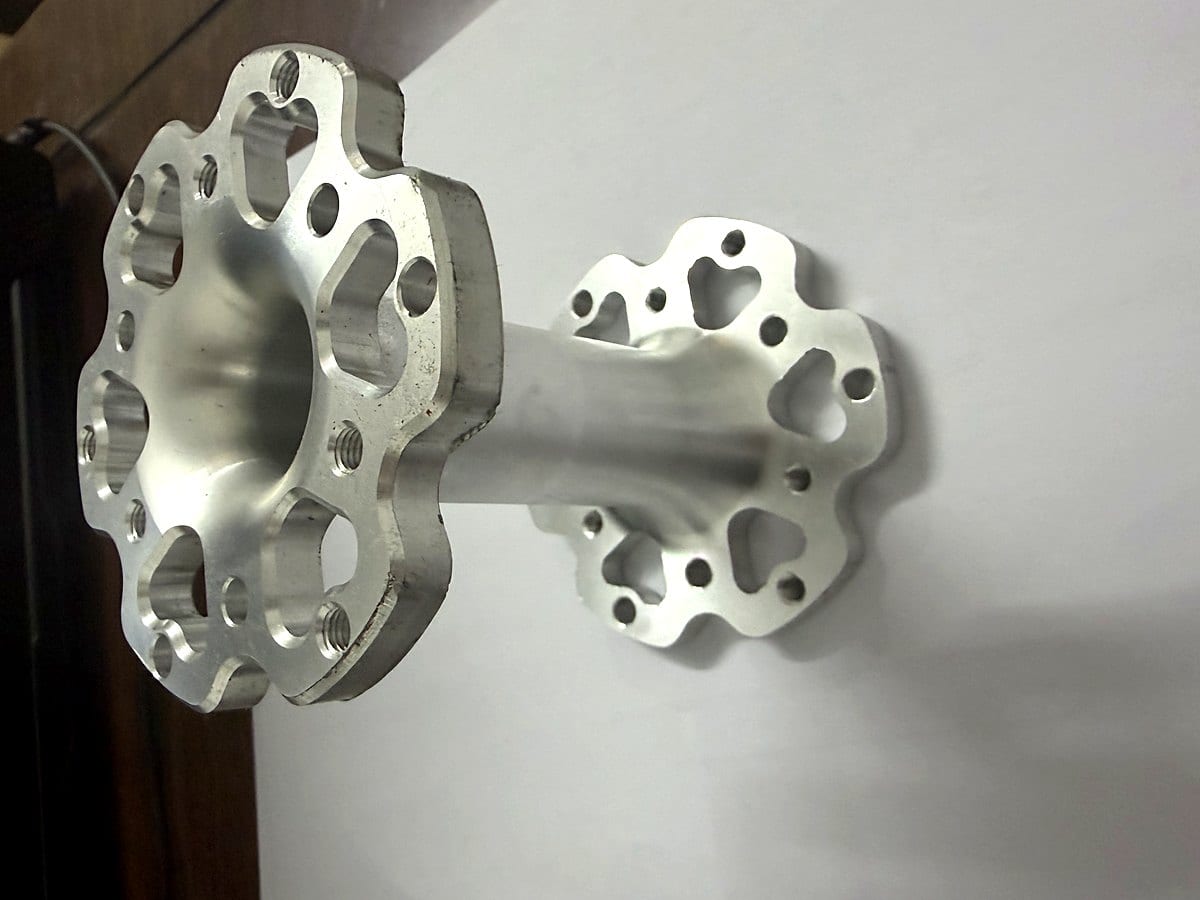
Oxygen-free copper busbars for an EV battery pack, machined flat to 0.05 mm over 400 mm, deburred and tin-plated with thickness verified by XRF.
Part specification
- Industry
- Automotive & EV
- Process
- CNC Milling
- Material
- Copper C10100 (OFHC)
- Tolerance
- ±0.05 mm, flatness 0.05 mm / 400 mm
- Finish
- Tin plated 8 – 12 µm
- Quantity
- 2,000 / year
- Lead time
- 18 working days
Customer details withheld under NDA.
Challenge
Copper C101 is soft, gummy and prone to burring, and the busbars must sit flat against a stack of cells — any bow concentrates clamping load on a few contact points and creates a hot spot. The customer's previous parts were laser cut and showed 0.4 mm of bow across the length.
Solution
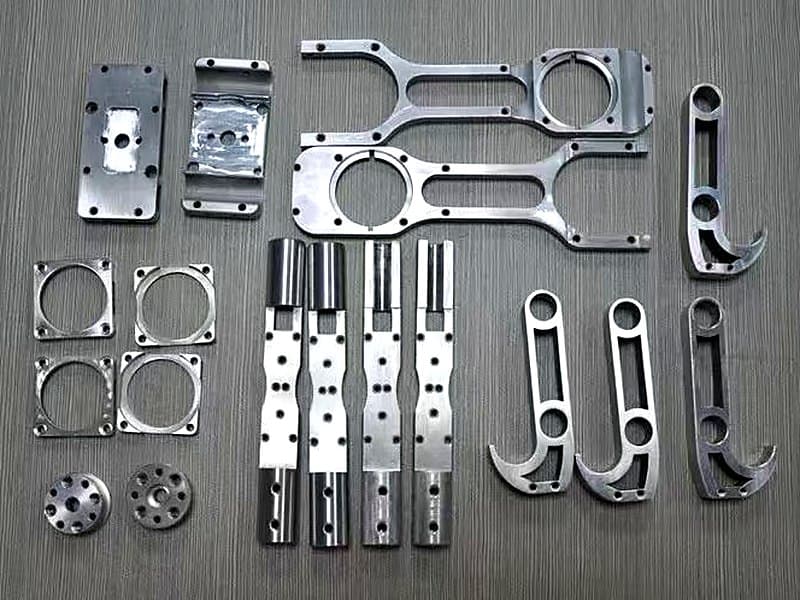
Machined from rolled plate with balanced material removal from both faces, stress relieved between roughing and finishing. Edges are milled rather than laser cut, so there is no recast layer, and every hole is chamfered both sides. Parts are tin-plated after machining, with plating thickness checked by XRF at three points.
Result
Flatness holds within 0.05 mm over the full 400 mm length. Contact resistance measured across the pack fell by 18 %, and the thermal imaging hot spot the customer had been chasing disappeared. Plating thickness is documented per batch.
Why laser cutting was not good enough
Laser cutting copper leaves a heat-affected edge and, more importantly, introduces thermal stress along the cut line. On a long narrow part that stress shows up as bow.
Milling removes material mechanically and, when the removal is balanced across both faces, leaves the part flat.
Machining copper cleanly
Copper C101 does not chip — it smears. The approach that works:
- Sharp, polished uncoated carbide with high positive rake
- High surface speed, high feed, shallow radial engagement
- Flood coolant, never mist
- Separate finishing tool never used for roughing
Burr control is handled by chamfering every hole and edge in a dedicated finishing operation rather than by hand deburring, which on soft copper tends to roll the burr rather than remove it.
Send us your drawing today
STEP, IGES, X_T, DWG, DXF, PDF or STL. Every file is treated as confidential and covered by NDA on request.